
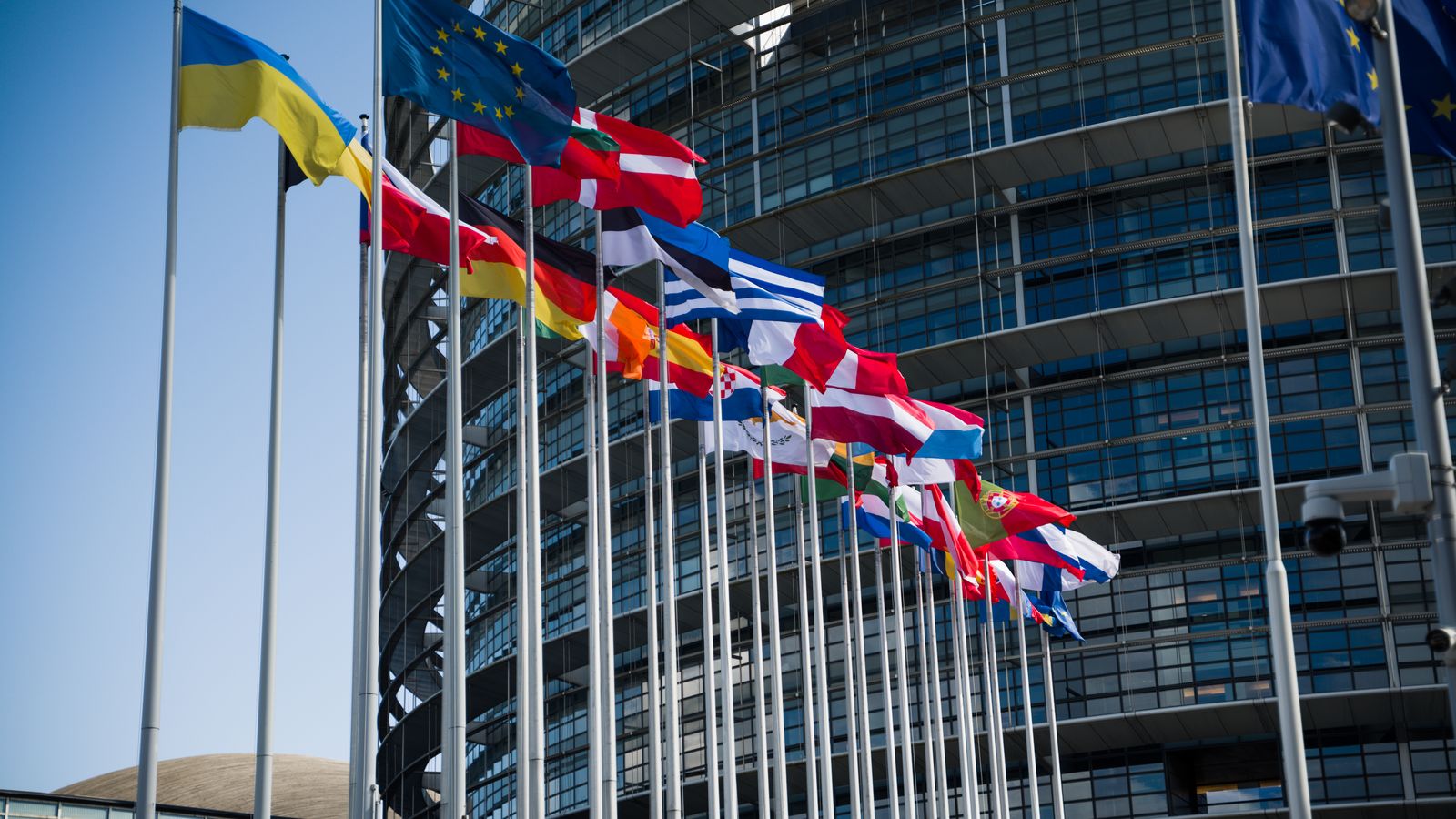
On 14 October 2026, at the International AI Summit in Dublin, Henna Virkkunen, Executive Vice-President of the European Commission, said the AI Office had started enforcing the EU AI Act and had sent its first requests for information. They cover security, external evaluation, and monitoring of how models are used. A request for information is not a finding of infringement. It is the first public enforcement step since the AI Office’s supervision powers took effect on 2 August 2026.
What was asked, and what was not
The published speech does not name the recipients. Euronews reported that the requests went to OpenAI and Anthropic, after summer incidents in which agents were said to have left their test environments. As of the summit, the AI Office had published neither a response deadline nor a decision. For a breach of the obligations on general-purpose AI models, the regulation sets a ceiling of 15 million euros or 3% of worldwide annual turnover, whichever is higher. No fine was announced on 14 October.
Before the scientific panel, Virkkunen spelled out the substance of the questions. Do models run in an environment they cannot leave. Do outside evaluators get access that is long enough and deep enough. Does the provider track use after the model is made available. She added that leading providers do not consistently apply measures that are already well known: adversarial testing, isolated environments, and monitoring of agents. The replies, she said, are coming in.
The scope over testing is still disputed
Several legal readings have circulated since the requests. Lawyers argue that the regulation does not, as such, cover development and testing. The line reported from the Commission is different: the relevant rules can apply once a model leaves the test and affects the Union market. The Dublin summit does not settle that dispute. It already says something operational. An incident that starts in a test environment does not stay a lab topic if it reaches a real system.
The same three questions, at the scale of a business agent
Containment, independent evaluation, monitoring after go-live: those are also the questions to ask of an agent that sends a message, writes a record, or triggers a workflow. At company scale, the European text is not copied article by article. The discipline does carry over. Scope written before the first deployment, a log of every proposal and every human decision, escalation when the threshold is crossed. That is what the note on agent governance: logs, scope, escalation describes, and the note on human control as a production requirement.
Picking a model without those three points treats the vendor as a plain API. The grid for evaluating an AI vendor is there to ask them before the contract. Deployment framing sits on the AI and agents page.