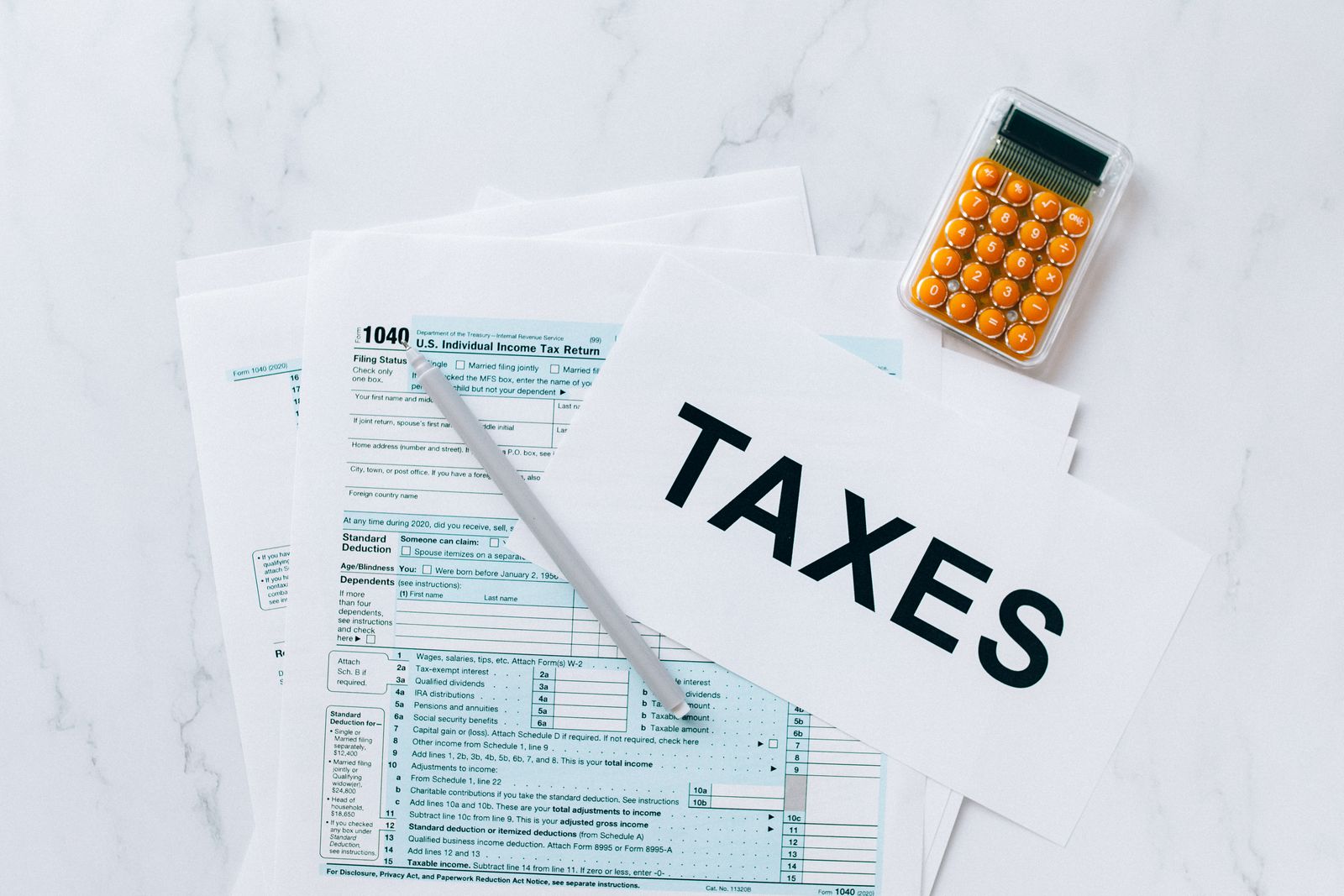

On Thursday 8 October 2026, David Amiel, the French minister for public accounts, chaired the first monitoring committee on electronic invoicing. The 9 October release gives the picture as of 4 October: 75% of companies that file VAT had designated a reception platform, and more than 20 million invoices had been exchanged, worth more than 70 billion euros. For a finance team, being connected does not say whether the chain holds when an invoice status never arrives.
What 1 September 2026 made mandatory
Since 1 September 2026, large companies and mid-sized companies must issue invoices through an approved platform, and every company must be able to receive them. The committee brought together AFEP, MEDEF, Les Entrepreneurs, U2P, the consular networks, accountants, and the administrations concerned. The minister called the start a success, and described the reform as ahead of expected objectives, with three companies out of four in the core target already switched. That ratio describes a platform designation. It does not describe an accounting flow with no human recovery.
Where automatic processing stops
Professional organizations put on the table the readability and cost of offers, the choice or the change of platform, the adaptation of software and processes, and the situation of the smallest firms or of some sectors. Large companies reported interoperability gaps between some solutions, and gaps in the transmission of statuses attached to invoices. Those statuses are what automation depends on. Without them, a chain that was supposed to match, code, and alert either stops, or it moves forward on an assumption.
The committee agreed to publish, within two weeks, an update of the starter guide, answering the difficulties seen since 1 September. The minister recalled that no sanction would be issued against any company before the end of 2026. The period is still framed as a dialogue. The absence of a sanction does not restore a lost status, or an invoice the business cannot recover within a known delay. The committee meets again before the end of the year.
Two separate layers before 1 September 2027
The next deadline is 1 September 2027: invoice issuance by SMEs and micro-enterprises, and the ramp-up of e-reporting. Until then, the useful work is to keep two layers apart. The approved platform moves the invoice and its statuses. The business system still has to extract, check, and send exceptions to a named person. That second layer is the one in document extraction in production and in pre-accounting automation.
Mixing the two adds one more table next to the ones that already exist. When the flow has to reach the accounting tool, AYA 360 is there to hold recovery and the trace. It does not replace the approved platform. The criterion stays that of a durable extractor: residual errors are acceptable to the business, and recovered within a defined delay. The October committee showed that volume is already there. The quality of the chain is decided on statuses and exceptions.